
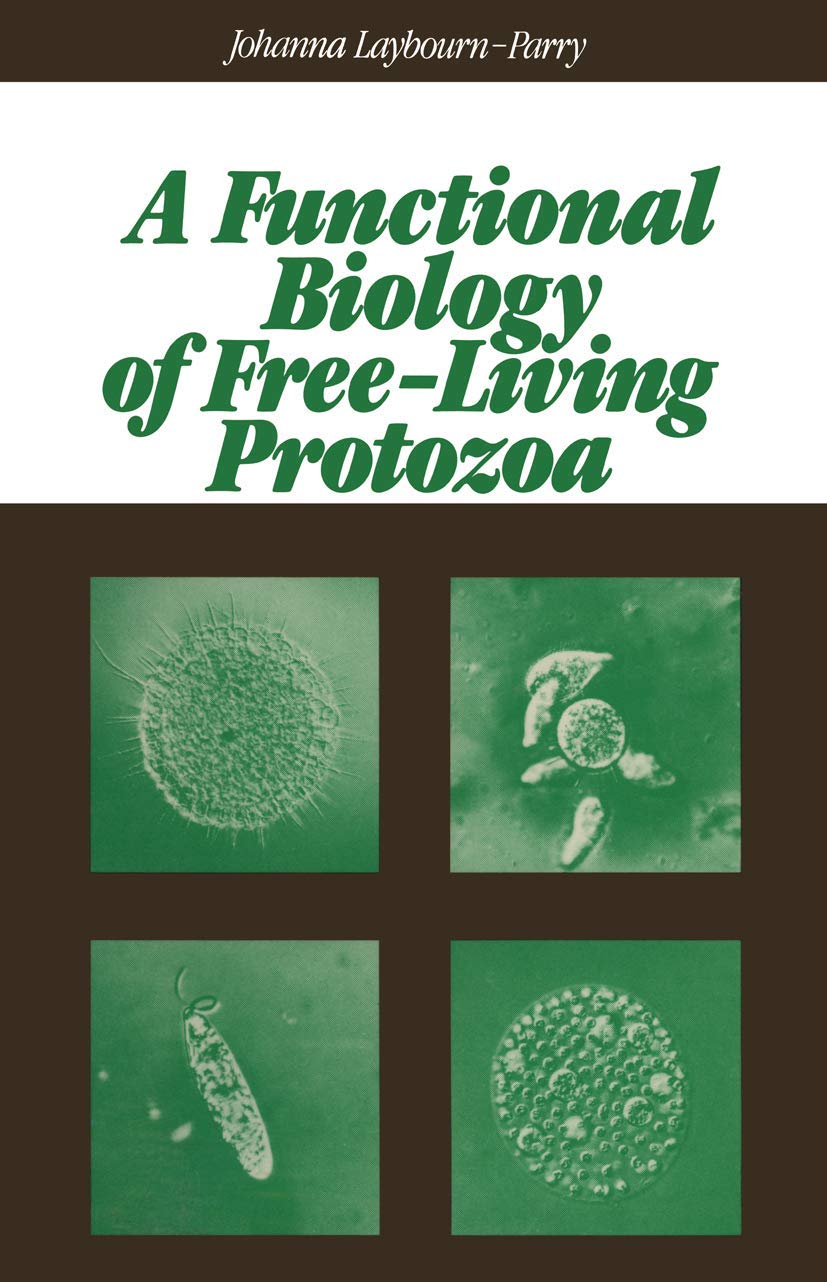
A Functional Biology of Free-Living Protozoa offers a comprehensive and fascinating look at the fascinating world of single-celled organisms that play vital roles in ecosystems around the world. Written for students, researchers and biology enthusiasts, this book explores the structure, behavior and ecological significance of free-living protozoa with clarity and scientific depth.
A Functional Biology of Free-Living Protozoa book highlights how these microorganisms function, survive and adapt to diverse environments ranging from freshwater ponds and soil ecosystems to marine habitats. Through well-structured chapters, readers gain insight into essential biological processes such as movement, feeding mechanisms, reproduction, and response to environmental stress. The text explains how protozoa move using cilia, flagella, or pseudopodia, and how their unique cell structures allow them to capture prey, avoid predators, and thrive despite constantly changing conditions.
Apart from their biology, the book also emphasizes the ecological importance of protozoa. They are major contributors to nutrient cycles, food webs, and microbial balance, affecting everything from soil fertility to aquatic health. By examining their roles as predators, decomposers, and symbiotic partners, the book shows how these tiny organisms support larger ecosystems.
A Functional Biology of Free-Living Protozoa book is Written in a clear, accessible style, A Functional Biology of Free-Living Protozoa bridges the gap between advanced research and understandable scientific explanation. Illustrations, drawings, and examples from real-world studies help readers visualize complex concepts and appreciate the diversity within protozoan life.




Reviews
There are no reviews yet.